Whether you’re purchasing or refinancing property across the UK often involves the question of whether an interest-only or repayment mortgage suits your situation best. Many first-time buyers, home movers, and landlords notice significant differences between repayment vs interest-only mortgages, from monthly costs to long-term commitments. Understanding these factors early can help you avoid surprises and feel more confident in your mortgage decisions.
Mortgages RM specialises in guiding clients through every stage of the process. When you know the difference between repayment and interest-only mortgage structures, you can decide how each arrangement affects your finances and future property ambitions. This blog explains each type in practical terms, highlights how professional advice can unlock better deals, and ultimately helps you determine which approach best fits your goals.
Understanding Interest-Only Mortgages
An interest-only mortgage focuses on making monthly payments that cover just the interest on your loan. The capital remains untouched until the end of the mortgage term, when a repayment plan must clear the outstanding balance. While this arrangement can offer lower monthly outgoings, you need a clear strategy for paying off the principal. Landlords sometimes choose interest-only for buy-to-let investments, citing benefits in cash flow.
However, interest-only mortgage vs repayment mortgage choices come down to whether you can set aside or invest funds separately to pay the capital at the term’s end. If property prices rise significantly, some homeowners rely on selling or remortgaging. Yet, it’s essential to remember that interest-only mortgages do not reduce your loan balance month by month, which affects how much equity you hold over time.

Exploring Repayment Mortgages
A repayment mortgage—sometimes called a capital and interest mortgage—means each monthly payment covers both the loan’s interest and a portion of the principal. Consequently, your loan balance steadily declines, reducing the total owed over the mortgage term. Many UK homeowners feel reassured by gradually building equity and ensuring the loan is fully paid off if all payments are made.
When considering interest-only mortgage vs repayment options, repayment mortgages often suit buyers who appreciate tangible progress toward owning their home outright. This route offers fewer end-of-term surprises, as there’s no large lump sum required. However, monthly payments can be higher than interest-only structures—something that can impact your immediate budget. Consulting a mortgage adviser can help you understand how much you can afford and make the right choice.
Monthly Repayments and Affordability
Monthly costs rank high among concerns for many borrowers. In the UK context of an interest-only vs repayment mortgage, the former typically shows lower monthly outgoings, appealing to those wanting to keep costs down. Yet, while you spend less periodically, you still owe the original loan amount. With a repayment mortgage, you pay more each month, since you’re covering interest plus a chunk of the capital.
Mortgage affordability and repayment plan considerations usually hinge on your income stability and long-term financial outlook. Before committing to a structure, it can help to use a UK mortgage comparison calculator to picture how different mortgages affect your payment schedule. At Mortgages RM, we look at factors like ongoing living expenses, plans, and any potential changes in income to recommend a manageable route.
Long-Term Costs and Equity Building
Both interest-only and repayment mortgages carry different long-term costs. A repayment mortgage can ultimately be cheaper overall because you steadily reduce the loan’s principal, which diminishes the future interest you owe. In contrast, the long-term cost of interest-only mortgage arrangements can be larger if you’re relying on property appreciation or uncertain investments to clear the final balance.
With repayment mortgage benefits, you build home equity every time you make a payment, offering security if you need to sell or remortgage in the future. Equity can be a cushion against unexpected events or for retirement planning, providing tangible value in your home. Many borrowers appreciate seeing their debt reduced. By contrast, interest-only instalments mean the capital remains, which can be especially significant if property values do not grow as hoped.
Switching from Interest-Only to Repayment
Sometimes, people begin with an interest-only plan for lower early payments or to manage short-term pressures. As circumstances change, switching from interest-only to repayment can become appealing to avoid a large lump-sum shock later. This might require a lender reassessment, ensuring you can meet the higher ongoing costs. A friendly conversation with a mortgage adviser helps verify that this transition is feasible and beneficial.
When evaluating repayment vs interest-only mortgage choices, some homeowners switch before the mortgage term finishes. This often aligns with a pay rise, reduced outgoings, or a change in objectives—like safeguarding against market fluctuations. At Mortgages RM, our experienced advisers can negotiate with a lender on your behalf, planning how best to restructure your mortgage so that your finances remain stable and your goals stay on track.

Making the Right Decision With Mortgages RM
Choosing between repayment mortgage vs interest-only strategies depends on your budget, credit profile, and property ambitions. Many first-time buyers prefer the reassurance of a repayment arrangement, while some landlords opt for interest-only to manage monthly outgoings. At Mortgages RM, we take these preferences into account, alongside how interest-only mortgages work and your end-of-term repayment plan, to find a deal that balances flexibility and financial security.
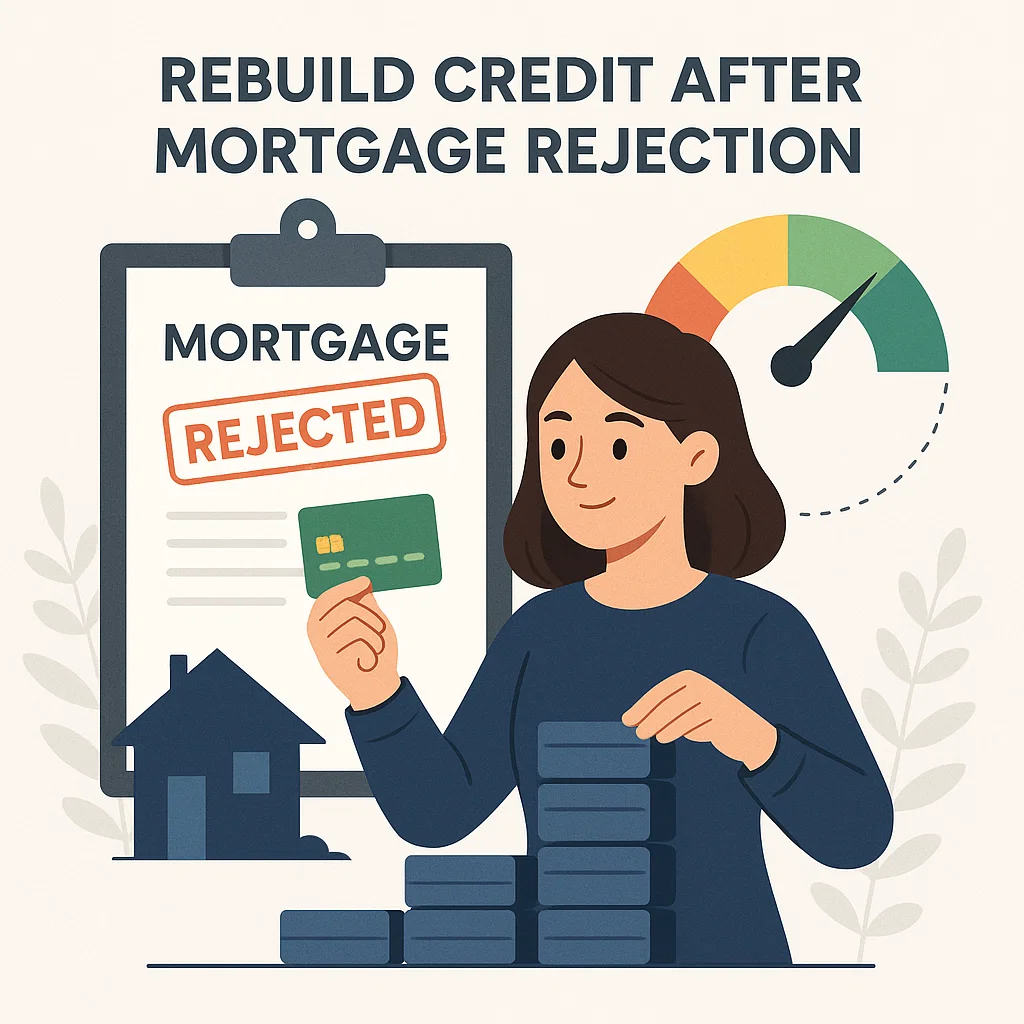
If you’re working to rebuild credit for a mortgage, it’s important to understand the impact this has on your mortgage options. Rebuilding your credit before applying can help you access better deals and lower interest rates. Getting personalised guidance ensures you understand capital repayment vs interest-only mortgage implications. Many borrowers find it simplest to speak to a mortgage adviser for advice on current rates and products, especially when working on rebuilding their credit. With access to hundreds of great mortgage deals, Mortgages RM can help you compare interest-only and repayment mortgages, highlighting how each affects your finances down the line. This support enables you to secure a stable solution, aligned with UK needs.
Conclusion
Whether you choose interest-only or repayment, understanding the differences can shape your long-term property success. Careful planning, realistic budgets, and a clear repayment approach are fundamental. Having a trusted mortgage adviser by your side eases anxiety around future lump sums, rising interest rates, or remortgage timings, ensuring you stay on track to achieve your homeownership or investment aims.
Mortgages RM specialises in independent advice for every borrower type. From helping you prepare the necessary documents for mortgages to guiding you through approval, our experts make the process smooth and transparent. Book your free mortgage consultation today and discover the best path for your circumstances. With transparent guidance, you can feel confident about securing a mortgage that truly suits your UK property goals.