
A moving home mortgage, sometimes called a home mover mortgage, is a mortgage product designed for people who already own a property and are buying a new one. In simple terms, you have two options: either transfer your existing mortgage to the new property, known as porting, or take out a new mortgage altogether, or pay off your current deal and take out a new one. Which path makes sense depends entirely on your circumstances, your lender, and where mortgage rates sit at the time you’re moving.
Most homeowners don’t realise how many decisions sit behind what looks like a straightforward house move. This guide walks through how the process actually works, what your options are, and what to watch out for, so you’re not caught off guard when the time comes.
How Does a Mortgage Work When Moving House?
When you move home, your existing mortgage doesn’t automatically follow you. What happens next depends on whether your mortgage is portable and whether your lender agrees to let you take it across to the new property.
If you’re selling and buying at the same time, which is the most common scenario, your solicitor will arrange for your current mortgage to be redeemed (paid off) on completion of the sale. At that point, you either port the mortgage across to the new purchase or start fresh with a new deal.
It sounds simple enough, but the timing needs to align. If there’s a gap between selling and buying, or your chain collapses, and you need to restart, things can get complicated quickly. That’s why having clarity on your mortgage position early in the process matters.
How Mortgages Work When Moving House
Here’s the basic sequence of events for most home movers:
- Your existing mortgage is linked to your current property as security for the lender.
- When you sell, the mortgage is redeemed from the sale proceeds on completion.
- If you’re porting, the lender effectively transfers the mortgage to the new property, subject to reapproval.
- If you’re taking a new mortgage, you apply as a fresh borrower, even with the same lender.
- Any difference between what you owe and what you need to borrow will either be topped up (if you’re buying more expensive) or released as equity (if you’re downsizing).

Porting vs Getting a New Mortgage: Which Is Right for You?
One of the most common questions from people moving house with a mortgage is whether to keep their existing deal or start fresh. There’s no universal right answer. The right choice depends on your rate, your timeline, how much you’re borrowing, and what your lender will actually agree to.
| Porting Your Mortgage | Taking a New Mortgage | |
| Best for | Those with a low fixed rate they want to keep | Those whose rate is ending or market rates have improved |
| Early repayment charges | Usually avoided | May apply if mid-deal |
| Rate flexibility | Keeps existing rate | Can access better rates if available |
| Lender approval | Required, not guaranteed | Full reapplication with any lender |
| Borrowing more | Additional amount at current rates | Entire loan at new rate |
| Flexibility | Limited to existing lender’s criteria | Open to whole market |
When Porting Makes Sense
Porting your mortgage is worth considering if you have locked in a competitive fixed rate in recent years and don’t want to give it up. If your deal still has a few years to run and you’d face a significant early repayment charge to exit it, porting can save you a meaningful amount.
What catches people out is that porting isn’t a simple admin transfer. Your lender will treat it as a new application, running affordability checks and reassessing your income and outgoings as if you were a new customer. If your circumstances have shifted since you first took out the mortgage (different job, lower income, more financial commitments), approval is far from guaranteed.
If the new property is more expensive than your current home, you’ll also need to borrow an additional amount. That top-up will typically be at whatever rate the lender offers today, not your existing rate. So you could end up with a split mortgage: part on your original rate, part on a new one.
When a New Mortgage Is the Better Move
If your current deal is coming to an end, or you’re already on your lender’s standard variable rate (SVR), there’s little reason to port. There’s no favourable rate to protect, so staying tied to one lender gains you nothing, and reviewing the full market makes considerably more sense.
A moving house mortgage also gives you a clean slate. You can approach any lender, compare deals across every product tier, and potentially land a better rate or more suitable terms than your existing lender is offering. For many home movers, especially those trading up to a larger property, starting fresh is the cleaner path.
If you’re figuring out how to move house with a mortgage and want full flexibility over lender choice and product type, a new mortgage is usually the more practical route.
Increasing Your Mortgage to Move House
If you’re upsizing, the gap between what you currently owe and what the new property costs has to come from somewhere. That’s either equity you’ve built up, additional borrowing, or a combination of both.
How that extra borrowing is handled depends on which route you take. If you’re porting, the top-up sits separately from your existing mortgage, often at a different rate and with its own end date. On paper, it’s the same lender, but you can end up managing two portions that don’t align, which creates a headache when you come to remortgage down the line.
Going for a new mortgage keeps things cleaner. Your entire borrowing is on one rate, one term, one renewal date. And if you’ve built up a decent amount of equity in your current home, that works in your favour on the new purchase too — a lower loan-to-value ratio typically unlocks better rates, which can offset some of the cost of borrowing more.
What Affordability Checks Are Involved?
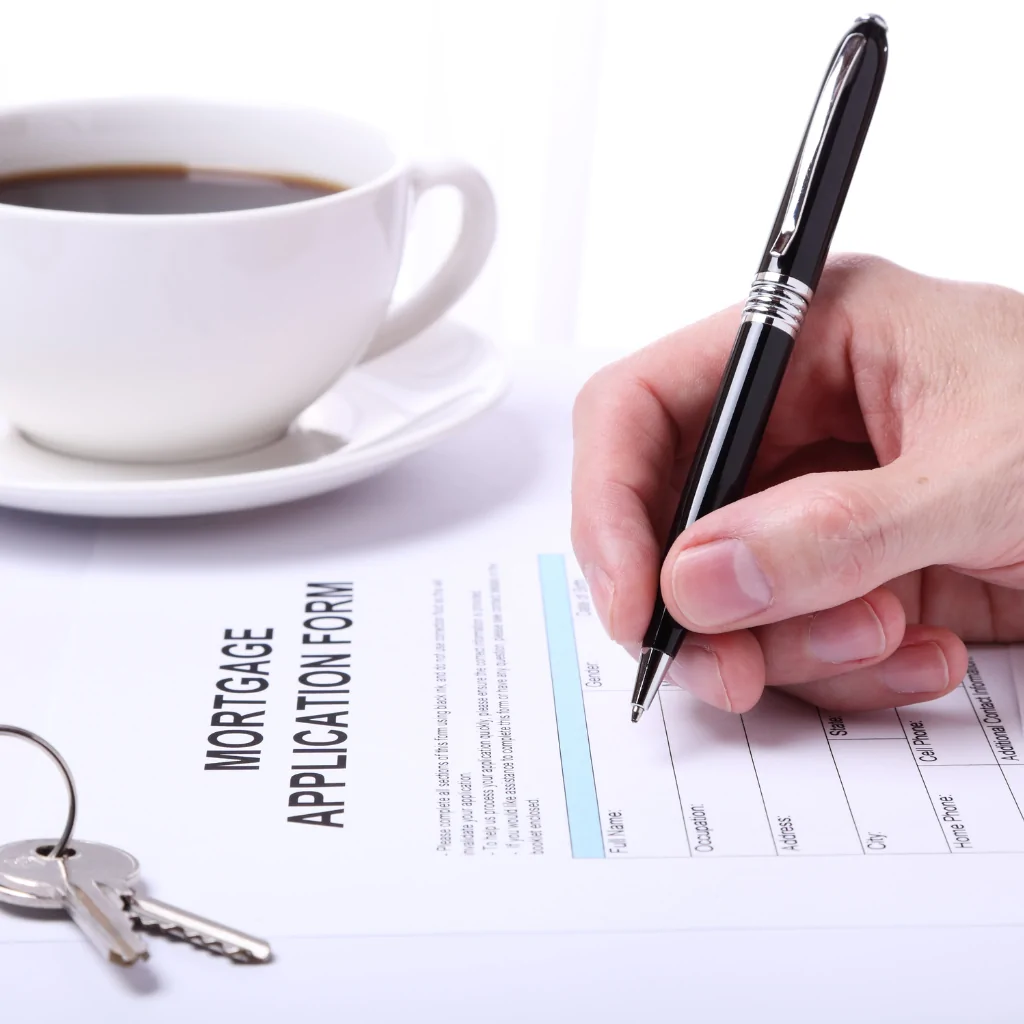
Affordability checks catch a lot of home movers off guard, especially those who’ve held a mortgage for years and assume the process will be straightforward the second time around. It isn’t. Whether you’re porting or applying fresh, your lender goes through your finances in detail — income, regular outgoings, existing credit commitments, and how the new monthly repayment fits alongside everything else you’re already paying.
The part most people don’t anticipate is stress testing. Your lender isn’t just checking whether you can afford the mortgage at today’s rate. They’re checking whether you could still cover it if rates climbed by several percentage points. That single requirement can significantly reduce what you’re able to borrow, regardless of how healthy your income looks on the surface.
If your income is variable, you’re newly self-employed, or you’ve recently changed jobs, it’s worth getting advice before you start viewing properties. Not because it rules you out, but because lenders treat these situations differently, and knowing how your application will be read in advance saves you from making offers you can’t back up with a mortgage.
Working with a Moving Home Mortgage Adviser
Whether you need a mortgage for moving house or you’re trying to port an existing deal, a specialist adviser can add real value here, not because the process is impossible to navigate yourself, but because they know the lender landscape, understand which providers are currently approving applications like yours, and can often get things moving faster than going direct.
Mortgages for home movers have more variables than a standard first-time buyer application, and advisers who work in this space regularly understand those nuances well. They’ll also run the actual numbers on the porting question, comparing what you’d save by keeping your existing rate against the arrangement fees, rate differences on any additional borrowing, and the exit costs if an early repayment charge applies. It’s rarely a simple calculation on paper.
If you’re weighing up your moving home mortgage advice options, talking to an adviser before committing to anything, and well before you serve notice on any existing deal, gives you the clearest picture of where you stand.
Frequently Asked Questions
How do I move home with a mortgage already in place?
Start by checking whether your current mortgage is portable. Contact your lender or speak to a mortgage adviser to understand your moving home mortgage options. If porting is available, your lender will reassess your affordability for the new purchase. If it’s not feasible or your deal is ending, you apply for a new mortgage. Either way, your solicitor coordinates the legal side, including redeeming your existing mortgage on completion of the sale.
Do I need a new mortgage to move house?
Not necessarily. If your mortgage is portable, you may be able to transfer it. But if your current deal is ending, if you’re on the SVR, or if porting doesn’t work out for any reason, you’ll need to apply for a new mortgage, either with your existing lender or a new one.
What happens to my mortgage if I’m moving to a more expensive property?
You’ll need to borrow more. If you’re porting, the additional amount is usually at a new rate separate from your existing deal. If you’re taking a new mortgage, the full loan amount is at the new rate. Your equity from the sale of your current home typically acts as your deposit on the new purchase.
Can I switch lenders when I move house?
Yes. Moving house is a natural point to reassess your mortgage deal entirely. You’re not obligated to stay with your current lender. If your existing deal is ending or another lender offers significantly better terms, switching is straightforward; your solicitor handles the redemption of your old mortgage and the setup of the new one.
How long does a moving home mortgage take to arrange?
A mortgage offer typically takes two to six weeks from application, depending on the lender and the complexity of your situation. If you’re in a chain, it’s worth getting your mortgage in place early to avoid holding up the transaction.
What is a mortgage in principle, and do I need one?
A mortgage in principle (MIP), also known as an agreement in principle (AIP), is a written estimate from a lender showing how much they may be willing to lend you. It’s based on your income, outgoings and usually a soft credit check. Most estate agents will ask to see one before taking an offer seriously, and many sellers won’t entertain a buyer who doesn’t have one in place.

Conclusion
Moving home with a mortgage involves more moving parts than many people expect, but the choices themselves are usually straightforward. The key question is simple: will keeping your current mortgage deal save you more than switching to a new one, once all fees, rates and long-term costs are considered?
Porting suits those with a strong existing rate and time left on their deal. A new mortgage suits those whose deal is ending, who need greater flexibility, or who want access to the full market. Neither option is inherently better. The right answer depends entirely on your numbers.
What matters most is not leaving these decisions until you’re already in the middle of a chain. The earlier you get clarity on your mortgage position when planning to move home on a fixed mortgage, the more control you have over the outcome. If you’d like to talk through your options with a specialist, our team is here to help you make the move with confidence.